If you’ve spent an arvo at a local club watching a row of machines tick over, you’ve probably noticed the shift from chunky coin hoppers to slick touchscreens. That evolution didn’t happen overnight, and it’s worth tracing how pokies machines history Australia moved from mechanical reels to the networked cabinets you see today. The story is less about flashy lights and more about how operators, regulators, and players adapted to changing tech and state rules. If you’re logging in to check your favourite games, you’ll find the same lineage behind modern club floors at https://netpokieslogin.com.
From Coin-Hoppers to Digital Cabinets
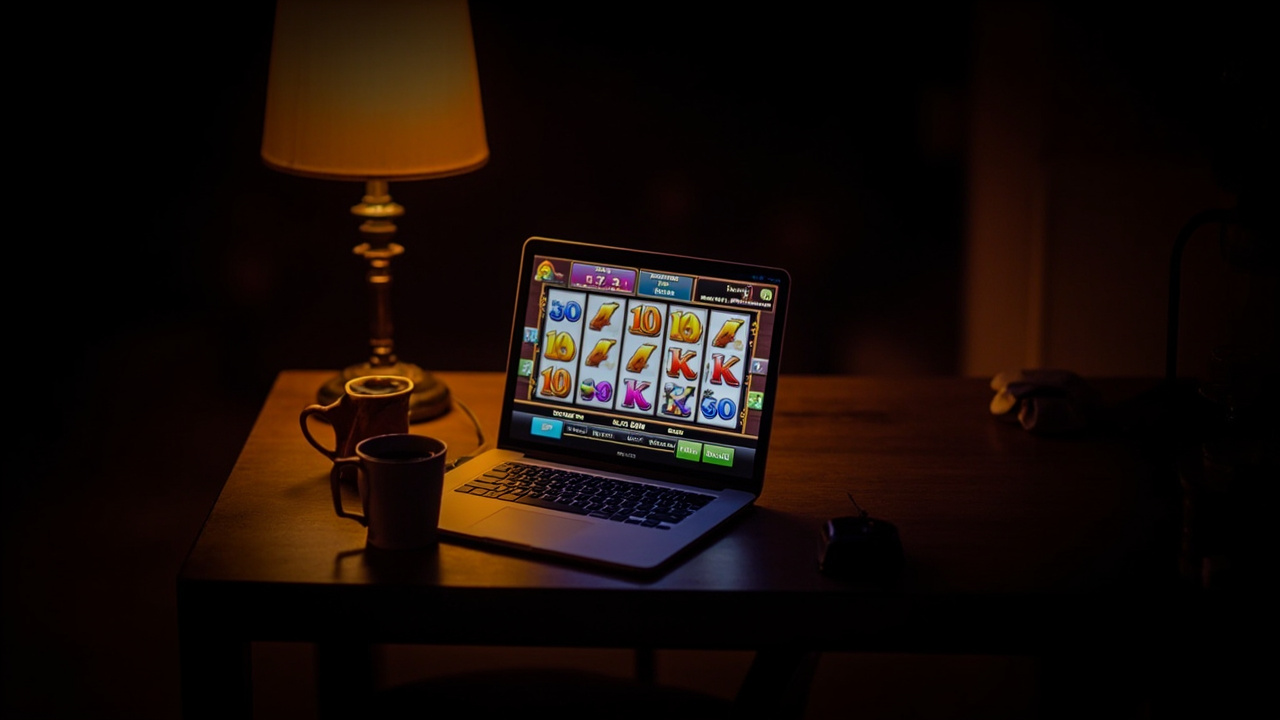
The earliest machines were purely mechanical, relying on physical reels and a single payout path that operators could watch with a glance. By the late twentieth century, microprocessors began handling random outcomes, which changed how clubs managed payout cycles and machine uptime. Leo Patel, Board Member, Blue Mountains Interactive, notes that the real shift wasn’t the screen itself but the backend logging that let clubs track play patterns without hovering over each cabinet. That move toward digital record-keeping made it easier to schedule maintenance, balance return targets, and keep floors running through busy weekend sessions. The hardware got lighter, but the operational discipline stayed heavy, especially in venues that treated machines as a serious revenue line rather than background noise.
Today, digital interfaces dominate the floor, allowing players to access their accounts instantly from anywhere. This shift toward online connectivity means that maintaining secure access is crucial for uninterrupted play. You can find more details on managing your session at https://netpokieslogin.com/en-au/signin.
How State Rules and Club Culture Shaped the Floor
State-level differences still colour how machines are arranged, licensed, and talked about on the ground. Canberra clubs have long run tighter venue controls and distinct local licensing expectations, which means floor layouts and signage often look different from what you’d see down the coast. Annika Lee, Head of Live Casino, Coral Coast Interactive, points out that operators who understand local habits tend to place machines where foot traffic naturally flows, rather than cramming cabinets into whatever corner is free. That approach matters because Australian club culture blends social gambling with a strong responsible gambling safeguard mindset, and venues that ignore either side usually feel the pressure during peak hours. You’ll also notice the mobile betting habits seeping into how players time their visits, with many checking results or loyalty points between quarters instead of staying glued to a single seat.
The Loyalty and Promotions Layer
Modern floors lean harder on recurring promos and points structures than the old punch-card days. Operators now track contribution rates per spin, set eligibility windows, and cap how much bonus credit can roll over into a single session. The offer structure usually separates sign-up perks from ongoing rewards, with wagering terms that differ depending on whether you’re playing through a club app or walking onto the floor. Payment and currency handling stays local in most venues, with Australian dollars and straightforward withdrawal paths that don’t ask you to juggle multiple wallets. Registration tends to be quick, but the verification step still matters, especially when a player wants to move from demo play to real-credit sessions without hiccups. Mobile access has become the default for checking balances and promo status, though the actual machine play still happens on the cabinet itself in most club settings.
The Responsible Gambling Safeguards in Practice
Safeguards aren’t just posters on a wall; they show up in session timers, self-exclusion lists, and the way staff are trained to spot a player who’s gone quiet for too long. Georgia Cooper, Sports Betting Analyst, Yarra Gaming Lab, observes that the best venues treat responsible gambling tools as part of the floor rhythm, not a compliance checkbox that gets ignored when the room gets loud. That means clear signage, easy access to limit-setting options, and staff who can point a player toward support without making it feel like a lecture. The balance is delicate, because club floors are meant to be social spaces, but the safeguards exist to keep the session from drifting into a problem. When operators get that balance right, the room feels busy without feeling pressured.
Who These Machines Suit Best
If you like a social room with a steady rhythm, a club floor that respects local rules, and a loyalty setup that actually tracks your play, the modern cabinet scene still fits that style well. If you’d rather chase fast-paced solo sessions with minimal staff interaction, the same machines can feel slow, and the promo structures may not reward that approach as cleanly. Players who value clear limits, straightforward currency handling, and a venue that keeps responsible gambling tools visible will usually find the floor easier to read than a flashy online pitch. Those who want constant bonus churn or complex multi-tier rewards may need to look elsewhere, because club-focused machines tend to keep things grounded in local play patterns and venue rules.

The history behind these machines is really a history of adaptation: tech changed, state rules shifted, and clubs learned to balance revenue with responsibility. That’s why the cabinets you see today feel familiar even when the screens and loyalty apps have moved on. If you’re curious about where the floor is heading, the same practical mindset that shaped the past still applies – watch the layout, read the signage, and keep your sessions in check.