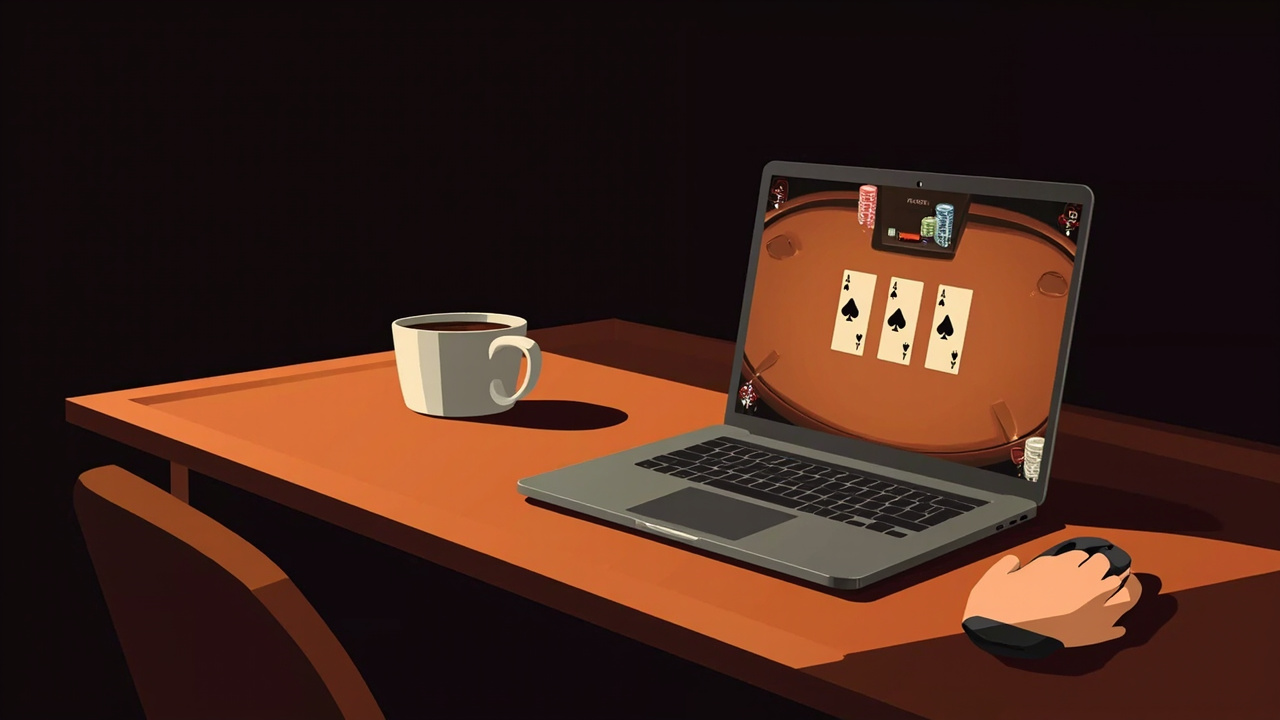
When the cards are face down and the chat box is quiet, a subtle shift in timing or betting rhythm can reveal more than any stat sheet. For an Australian player sitting in a Brisbane laneway café with a flat white in hand, reading those digital habits is less about mysticism and more about patience. Real edges come from noticing patterns, not chasing lucky charms, and the best tables reward discipline over impulse.
The first thing worth watching is how a player sizes their bets after a long pause. Someone who suddenly splashes a large stack after minutes of inactivity often carries a strong hand, though some regulars use the delay as misdirection. I’ve seen the same dynamic in luxury retail launches across Southeast Asia, where a deliberate pause before a pitch signals confidence rather than hesitation, and the same logic applies when you’re tracking online poker tells in real time. If a player consistently checks the chat, then raises sharply on the turn, that sequence is worth logging rather than guessing at. Video Poker Casino App: как проверить
• A sudden change in bet sizing after a long pause usually signals strength, but watch for repeat offenders who use it as a bluff.
• Quick calls on multiple streets often indicate a medium-strength hand trying to keep the pot manageable.
• Players who fold to continuation bets after showing aggression earlier are frequently trapped by their own image.
Timing tells are even harder to fake when the software logs every millisecond. A player who acts instantly on every street is either on autopilot or holding a hand they have played before, while someone who takes the full allowance on the river is often weighing a difficult decision. I once watched a regular at a Brisbane community card night take exactly the same amount of time on every bluff, which made it easy to call him down when the board turned ugly. Online, those habits show up in the action logs, and noting them over a few sessions gives you a clearer read than any single hand.
When you’re trying to sharpen your eye for online poker tells, it helps to cross-check what you see at the tables with how other digital platforms handle player behaviour and transparency. A guide like the video poker casino app check covers similar ground on verifying a site’s fairness before you commit any bankroll, which is the same mindset you want when tracking betting patterns instead of trusting first impressions. If a table feels off because the timing is too uniform or the chat is full of copied lines, step away and reassess rather than forcing a read.
Bonus structures and recurring promotions can change how players behave, which in turn affects the tells you’re trying to read. A site offering a match on your first deposit with a forty-five times wagering requirement will naturally attract players chasing the playthrough, and those players often overcommit on later streets to clear the bonus faster. Contribution limits on certain games and eligibility windows matter too, because a player rushing to meet a deadline will show rushed timing tells that don’t reflect their usual style. Recurring promos that drip rewards over a month tend to produce steadier play, while one-off boosts can create sudden aggression spikes that are easy to misread if you’re not logging the context.
The same attention to detail I apply when structuring a growth campaign in a busy Southeast Asian market applies here: you map the incentives, then watch how people actually behave under them. A player grinding through a wagering requirement will often call wider than usual, while someone protecting a loyalty tier might play tighter to avoid busting a streak. If a platform’s bonus terms contribute only part of your bet to the playthrough on certain hands, you’ll see that reflected in selective aggression, and recognising that pattern is more useful than assuming every big bet means a monster hand. gates of olympus slots
Reading people through a screen is never exact, but consistent observation beats guessing every time. Start by logging one or two habits per session, note how bonus pressure and promotion cycles shift the table mood, and treat every read as a working theory rather than a locked-in fact. The players who last are the ones who stay curious, keep their bankroll discipline intact, and know when to fold a hunch no matter how convincing the timing looks.